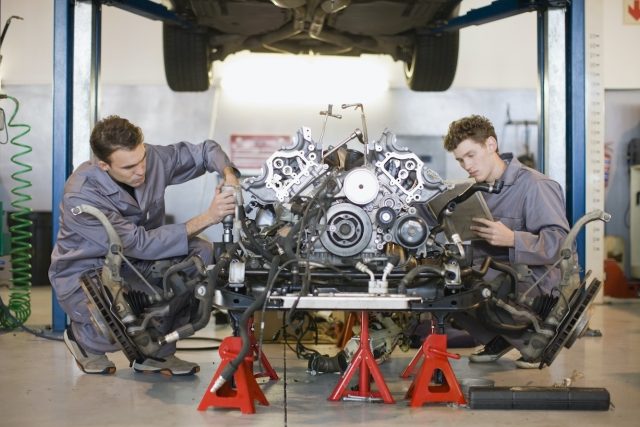
Walk into a service bay today and you can usually tell pretty quickly how it runs. Some bays feel crowded and reactive. Others feel calm, even when they are busy.
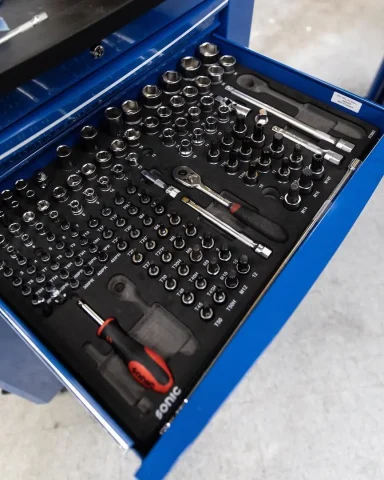
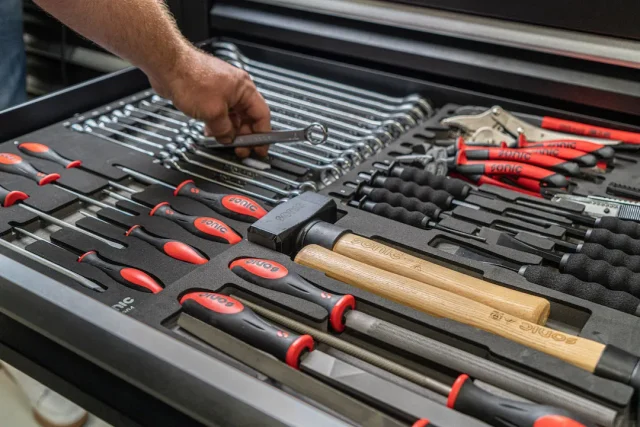
More shops are moving toward the second version. You see fewer loose tools, more shadowed foam drawers, clearer storage, and workspaces that look the same from bay to bay. That shift is tied to something many shops used to associate only with manufacturing: 5S.
Why 5S Is Showing Up Now
Auto repair has always depended on skilled technicians. What has changed is how little room there is for inefficiency. Flat rate pressure, technician shortages, tighter margins, and more complex vehicles have all raised the stakes.
When a technician wastes time looking for a tool, walking across the shop for supplies, or redoing work because something was misplaced, that time does not show up on a report. It does show up in cycle times, frustration, and lost profit.
5S targets that waste directly:
- Sort: Remove items that do not belong in the bay
- Set in order: Assign a clear home for tools and supplies
- Shine: Keep the area clean so problems are easier to spot
- Standardize: Make the preferred setup consistent across bays
- Sustain: Keep the system from slipping back over time
In practice, 5S turns a service bay into something repeatable. A new technician can step in without needing to learn someone else’s personal setup.
Why OEs Are Paying Attention
OEs like Toyota have relied on Lean principles for decades. On the assembly line, 5S reduces unnecessary motion, limits mistakes, improves safety, and helps quality stay consistent.
Those same benefits matter in dealership service bays. Fixed operations are a major profit driver and a visible part of the customer experience. When service slows down or feels disorganized, customers notice.
Dealerships applying 5S principles typically see improvements in:
- Shorter wait times and fewer comebacks
- Better use of technician labor
- Faster onboarding for new hires
- Cleaner bays with fewer safety issues
What Shops See After Adopting 5S
Shops that commit to 5S do not just end up with cleaner bays. They tend to see operational changes that affect day-to-day performance:
- Jobs get started faster
- Fewer missed steps during repairs
- Less tool loss and replacement
- Safer work areas
- Lower daily frustration for technicians
In a market where experienced technicians are difficult to replace, those day-to-day details add up.
Where Sonic Fits
If you’re serious about increasing productivity, start with a pilot:
Many shops try 5S, see early improvements, and then drift back. The issue is rarely motivation. More often, the system is not built into the tools and storage technicians use every day.
Sonic’s foam inlays and standardized toolsets make it clear what belongs in each drawer and what is missing. That visual control helps keep the system in place long after the initial cleanup.
When the workspace is set up correctly, the work tends to follow.